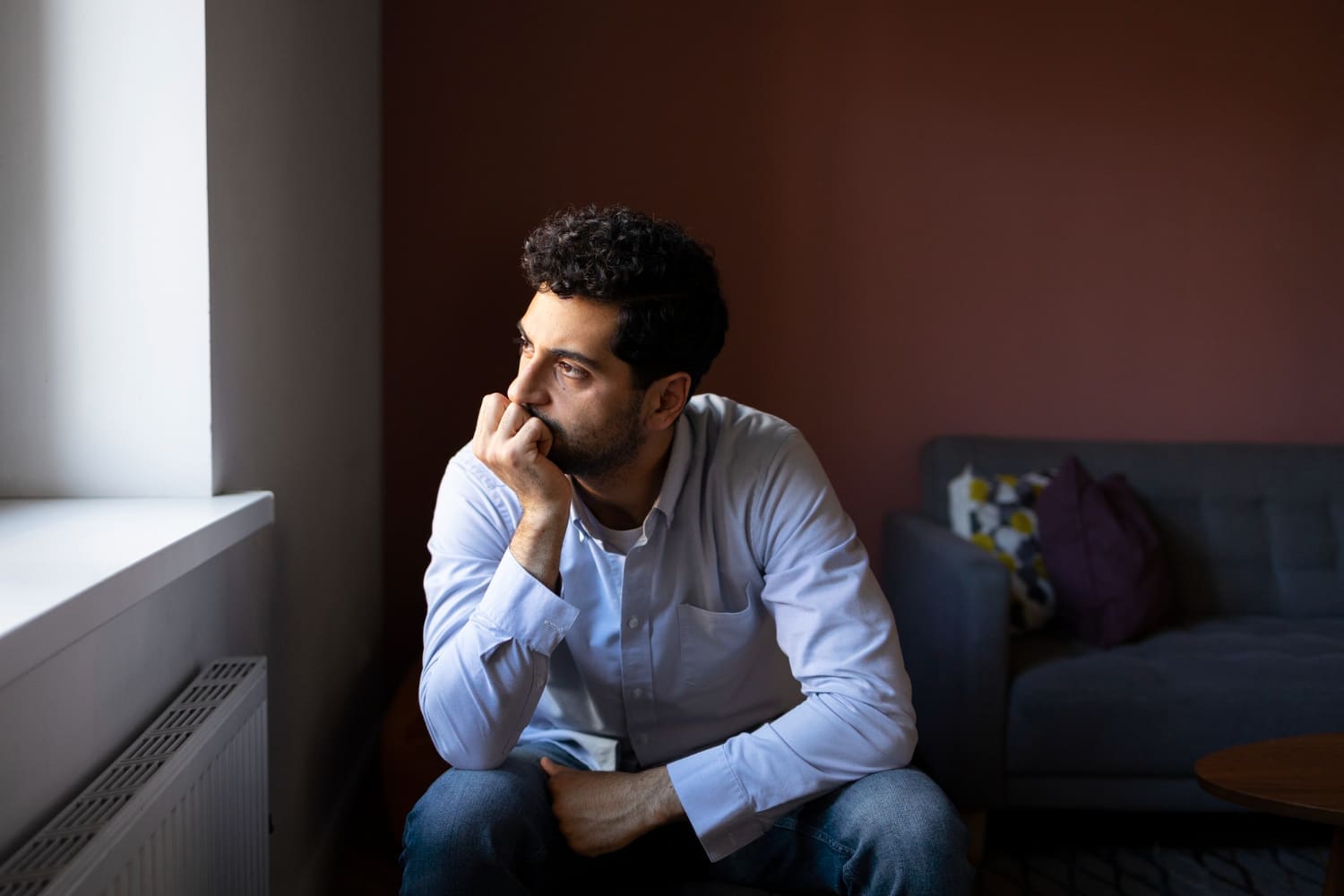

Anxiety and panic attacks are common mental health experiences that affect people in many different ways. While occasional anxiety is a normal response to stress, persistent or overwhelming symptoms can interfere with daily life and overall well-being. Researchers continue to study the biological, psychological, and environmental factors that contribute to anxiety disorders in order to better understand how they develop and how they can be managed.
This area of research is particularly important as more treatment options continue to emerge. One area receiving growing attention is the use of medicinal cannabis as part of a broader treatment for anxiety disorders. While this field is still developing, early research has shown potential benefits for some patients seeking a more holistic approach to managing symptoms.
If you have been struggling with anxiety or have recently been diagnosed with an anxiety condition, learning about the factors that influence anxiety may help you better understand your symptoms and the treatment options available.
What’s happening biologically?
From an evolutionary perspective, there are theories about anxiety disorders having roots in our natural fight/flight/fear system. Healthy, occasional anxiety was a very helpful tool to keep us alive when dangers larger than us roamed the earth. A sudden burst of adrenaline, a dose of neurotransmitters, and a high heart rate could get us out of a very tricky situation.
But in the modern world, our brains haven’t quite caught up to our lifestyle. And in many people, this “fight or flight” system becomes drastically over-tuned, triggering responses in situations that are not physically dangerous.
In someone with an anxiety disorder, instead of running from a sabre-toothed tiger, that same survival response might be triggered by the idea of going into work, or talking to someone, or grabbing groceries. This can also result in a constant state of high alert, where there is no immediate danger but still an impending feeling of doom and fear.
A note on genetics and treatment for anxiety disorders:
Studies suggest that if a close relative struggles with a panic disorder or generalised anxiety, you are more likely to experience similar symptoms. Modern, effective support for anxiety disorders will include first-line techniques like CBT and medication via SSRIs (both of which we will explore further in a moment).
To find the right treatment plan, an anxiety disorders clinic will look at you as part of your family, not just you as an individual. The closer you and your practitioner can come to understanding the role your genetics have likely played in heightening your baseline anxiety, the easier it is to help manage both your anxiety’s origins and its symptoms.
What about trauma or stress?
Our environment is a major determinant of which parts of our genetic code show up in our lives, and traumatic life events can ignite latent anxiety disorders or create the foundation for them.
A traumatic life event in childhood, or the loss of a loved one today, or even a sudden accident can be a trigger. These events can sometimes rewire your brain to experience the world in a new way, firing signals in your nervous system to keep it on constant high alert for any new danger, even when the old one has long passed. We call this “hypervigilance”.
Additionally, we are seeing more and more modern people struggle with what we call “compounding stress.” This is when it isn’t just one big thing, but a lot of little things that pile up: the cost of living, housing uncertainty, or the fast-paced nature of digital life. Eventually, the bucket gets too full, and even a small drop can cause it to overflow into a panic attack.
It’s often that “overflow” moment that forces us to stop and look at how our environment is impacting our health, often acting as the prompt for many to seek out an anxiety disorders treatment clinic.
What does treatment for anxiety disorders look like?
When you go to a clinic to seek support for anxiety disorders, the plan you emerge with will likely be entirely unique to you. This is a field that is continually researched, so trusted techniques like Cognitive Behavioural Therapy (CBT) in a talk therapy setting are paired with newer methods like Emotional Freedom Techniques (EFT), such as tapping, which may help regulate the nervous system daily.
Pharmacologically, helpful medications like SSRIs are designed to alter neurotransmitter concentrations in the brain. The aim is to reduce sensitivity to anxiety triggers and help you gain control of what you’re going through, and medications like this are best used in tandem with other management techniques for long-term treatment of anxiety disorders.
These first-line treatment options, like CBT, SSRIs, mindfulness, breathwork, better sleep hygiene, improved nutrition, and physical activity, all create huge benefits for anxiety sufferers when constructed into a treatment plan.
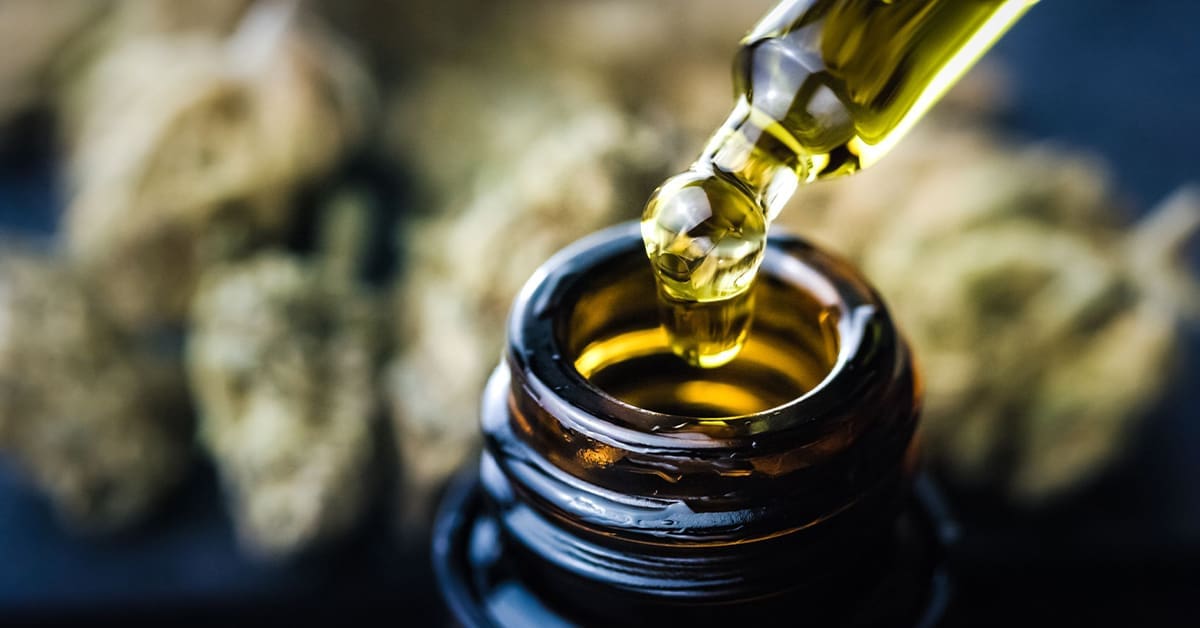
Alongside these first-line management techniques, prescribed medicinal cannabis can be a helpful adjunct therapy for some people managing anxiety day-to-day.
By interacting with the body’s endocannabinoid system (which helps regulate things like sleep, mood, and stress), some emerging research suggests medicinal cannabis may support the regulation of stress and sleep in certain patients when prescribed by a doctor. At a specialised anxiety disorders clinic, practitioners can help you navigate these options, ensuring that any holistic supplements don’t interfere with other medications.
Note: It is vital to only take prescribed, medical-grade cannabis under the guidance of a professional if you are using it to combat anxiety. Some people with anxiety find that THC can worsen their symptoms, which is why careful clinic assessment to determine suitability prior to use is so important.
If you are reading this and recognising yourself in these descriptions, please know that there is so much hope. Anxiety is an incredibly heavy weight to carry, but you don’t have to carry it alone. The world is much kinder when your nervous system isn’t constantly telling you to hide.
You are doing your best with a brain that, despite its overactive intentions, is only trying to keep you safe. Reaching out to an anxiety disorders clinic is a brave and important first step to get you feeling better, so you can understand more about what you need from your anxiety treatment.
Looking for holistic support for anxiety disorders?
We are CannaPlus+, a medicinal cannabis clinic designed to empower anyone managing an anxiety diagnosis. Find out if this is the right path for you by booking a visit to our clinic today.